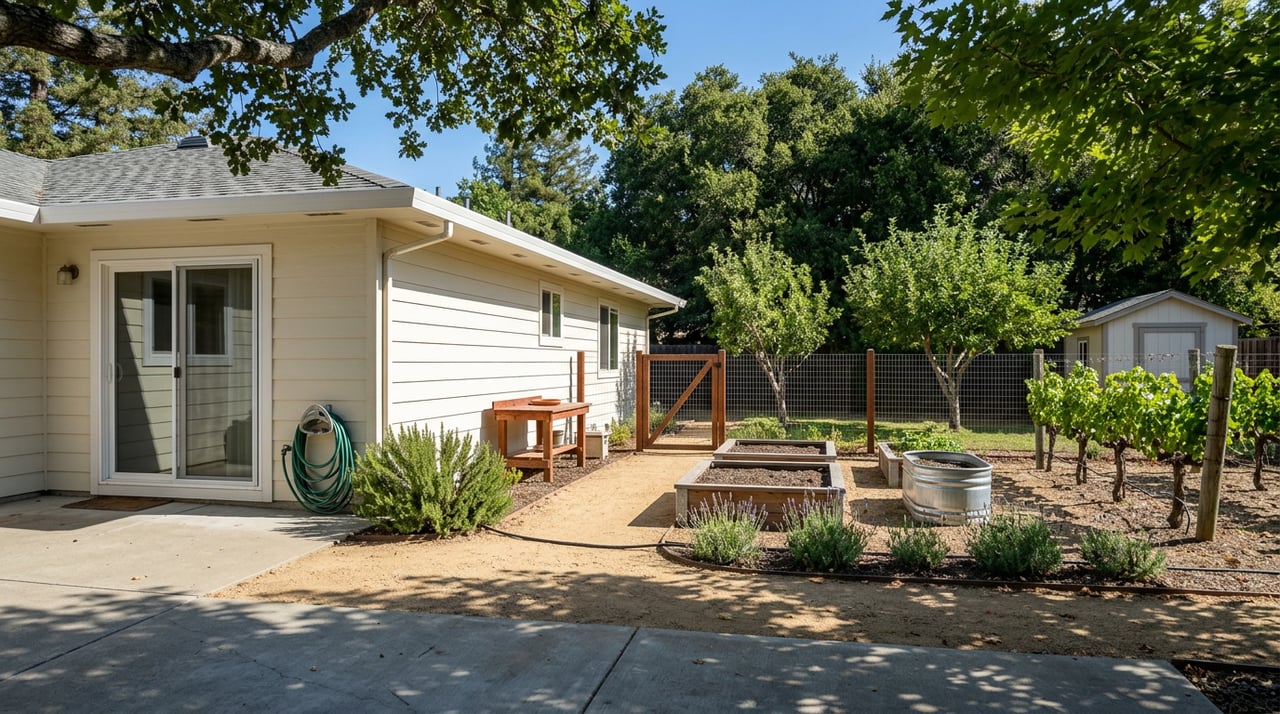
Ever picture yourself picking apples at sunrise, sipping coffee on a quiet porch, and being downtown a few minutes later for fresh bread and a farmers’ market haul? If country life near Sebastopol is calling, you’re not alone. The lifestyle is special, but buying acreage also comes with real‑world details like wells, septic, wildfire planning, and permits. In this guide, you’ll learn what to expect, what to check, and how to move forward with confidence. Let’s dive in.
Why Sebastopol country living appeals
Sebastopol sits on the west side of the Santa Rosa Plain, about 7 to 9 miles from Santa Rosa and roughly 50 to 56 miles north of San Francisco. The climate is maritime‑influenced Mediterranean, with cool, foggy mornings, mild afternoons, and most rain in winter. The city reports average annual rainfall in the mid‑30s inches, which supports orchards and woodlands and shapes the seasons you’ll feel on a small homestead. You can see a quick local snapshot in the city’s Sebastopol profile.
Soils and microclimates matter here. The Sebastopol Hills and nearby Russian River neighborhoods include well‑drained, sandy Goldridge soils that are prized for Pinot Noir and do well for many orchard trees. That is why you’ll spot small hobby vineyards and mixed gardens on country parcels west of town. If you like a farm‑to‑table rhythm, the local markets, The Barlow, and seasonal events reflect a community that values food, growers, and makers. Explore the Russian River neighborhood context and soils on the Russian River Valley Winegrowers site.
What you’ll find on local acreage
Parcel sizes and setups
You’ll see a range of parcel sizes, from 1 to 5 acres near town to 5 to 20 acre hobby properties and larger ranches beyond. Many buyers target 2 to 20 acres for a manageable blend of trees, garden beds, a hobby vineyard, or a few animals. Zoning and the parcel’s APN determine what’s allowed, so it’s smart to review county rules early in your search.
Common on‑site features
Rural properties typically rely on private wells and septic systems when public utilities are not available. You’ll often find older farmhouses, barns, workshops, storage sheds, and fenced paddocks, sometimes with remnants of old apple orchards or trellis systems from vineyard rows. Access can involve private gravel driveways beyond paved county roads. In lower‑lying areas near wetlands or seasonal creeks, be ready to ask about past water, drainage, and floodplain status.
Due diligence essentials for country properties
Water: wells, yield, and testing
Many rural parcels in Sonoma County depend on private wells. Well performance varies by location and season, and county rules around groundwater and wells continue to evolve. It’s wise to build in strong water contingencies and gather documentation before you commit. For background, review local coverage of changing well policy in the Press Democrat.
Action steps:
- Ask the seller for well permits, completion reports, and any pump test records.
- Order bacteriological and nitrate tests through an ELAP‑certified lab.
- If yield is unknown, plan a dry‑season pump test.
- Confirm current guidance with Permit Sonoma and use water contingencies in your offer. You can find septic and well basics in county FAQs from Permit Sonoma.
Septic systems: types, limits, and inspections
If the property is off sewer, it likely uses an Onsite Wastewater Treatment System. Sonoma County implements the State OWTS Policy, which sets separation from groundwater and the types of systems allowed. Replacement or upgrades can be costly on challenging sites, so plan to investigate early.
Action steps:
- Pull septic permits and as‑built plans from county records.
- Include a pumping and inspection contingency.
- Review local policy and system types through Permit Sonoma’s OWTS policy.
Wildfire risk, defensible space, and insurance
Wildfire planning is part of responsible country ownership. The county supports residents with home‑hardening and defensible space assessments through programs like SoCo Adapts, plus seasonal chipper services and vegetation management resources. These efforts improve safety and can help when you shop for insurance.
Insurance availability and pricing vary by ZIP code and parcel risk. The California Department of Insurance explains mitigation steps and the FAIR Plan as a last‑resort option if you cannot secure traditional coverage. Review the state’s wildfire resources at the Department of Insurance.
Action steps:
- Ask for any documented mitigation work and defensible space plans.
- Get an insurance quote early and confirm carrier requirements for home hardening and vegetation management.
Zoning, Right‑to‑Farm, and farm retail
Sonoma County’s Right‑to‑Farm protections support agricultural uses. In many cases, small farm stands, U‑pick, or on‑farm retail can be possible with the proper notices, setbacks, and parking plans. If selling farm products is part of your vision, study the county’s farm retail rules and disclosures early. Start with the county’s Right‑to‑Farm code section and confirm details with Permit Sonoma.
Building, ADUs, and outbuildings
Adding a barn, shop, or an Accessory Dwelling Unit can be feasible with the right permits. State law supports ADUs, and Sonoma County has worked to expand opportunities. Water and septic capacity are common gating factors, and road work or grading may also trigger reviews. See county guidance on ADU options at Permit Sonoma.
Soils, crops, and what thrives
Goldridge‑influenced soils and cool coastal air make parts of West County attractive for Pinot Noir, Chardonnay, and many orchard crops. Low‑lying or seasonally wet soils can suit pasture or specific tree crops better than vines without major site work. For practical how‑tos on pruning, irrigation, and pest management, UC Cooperative Extension maintains local guidance for small orchards and gardens in Sonoma County. Explore seasonal advice and crop tips at UC Cooperative Extension Sonoma.
Action steps:
- Match your planting plans to soil, slope, and water availability.
- For hobby plantings, keep it modest at first and learn through a season.
- For commercial or semi‑commercial plans, expect multi‑year setup and recurring labor.
Broadband, cell coverage, and utilities
Internet and cell coverage can change block by block in rural pockets. Power is generally available, but extending lines to a remote building site can add cost and time. Before you fall in love with a parcel, check service with local providers by APN, confirm onsite mobile coverage, and budget for upgrades if needed.
Flooding and drainage
Winter rains can raise seasonal creeks and wetlands. If a parcel sits near the Laguna de Santa Rosa or along a creek, run a FEMA flood map check, ask about past water events, and confirm whether elevation, vents, or flood insurance might apply. Many county rules limit fill in mapped floodplains, so verify early if you plan to build.
Quick buyer checklist
Use this short list to focus your first round of due diligence:
- Pull county records for well permits, well logs, septic permits, and any building permits.
- Order well water tests for bacteria and nitrate, and add a pump test if yield is unclear.
- Schedule a septic pumping and inspection; review OWTS permits and as‑builts.
- Run FEMA flood checks and ask about floodplain rules if near creeks or the Laguna.
- Confirm fire‑risk level, road access for engines, and local chipper or mitigation programs.
- Verify zoning, any Right‑to‑Farm disclosures, and farm‑retail permissions you may need.
- Check broadband and cell service availability and the cost to extend utilities if needed.
- Talk with UC Cooperative Extension for crop fit, seasonal care, and realistic maintenance time.
Living the lifestyle
Country living near Sebastopol blends privacy with quick access to town life. You can tend a small orchard or kitchen garden, visit the weekly farmers’ market, and be at The Barlow for dinner in minutes. The key is planning: understand your water, septic, and fire landscape; match your property to your goals; and budget for seasonal upkeep. With the right prep, you’ll enjoy the slower pace and the pride that comes from caring for land.
If you want a thoughtful partner to help you research parcels, coordinate inspections, and map a clear path from offer to close, reach out to Apryl Lopez. Her education‑first approach, local roots, and vendor network make country property decisions feel steady and supported.
FAQs
Can I plant a hobby vineyard or orchard near Sebastopol?
- Yes, many small parcels do well, especially where well‑drained Goldridge soils and cool coastal air support vines and fruit trees. Always confirm soil, slope, and water before planting.
Will a private well usually cover household and garden needs?
- Sometimes, but yield varies by parcel and season. Test water quality, order a pump test if yield is unknown, and review well permits and completion reports before removing contingencies.
How big is the wildfire and insurance issue on country parcels?
- Wildfire is an ongoing factor. Home hardening and defensible space help reduce risk and can influence insurance options, but availability and pricing vary by ZIP and parcel exposure.
Can I sell farm products from my property?
- Often yes under county farm‑retail rules, but plan for notices, parking, and other requirements. Review Right‑to‑Farm disclosures and talk with Permit Sonoma early in the process.
How reliable is rural internet service near Sebastopol?
- It varies by location. Check provider maps by parcel number, test mobile coverage onsite, and confirm any costs to extend or upgrade service before you commit.