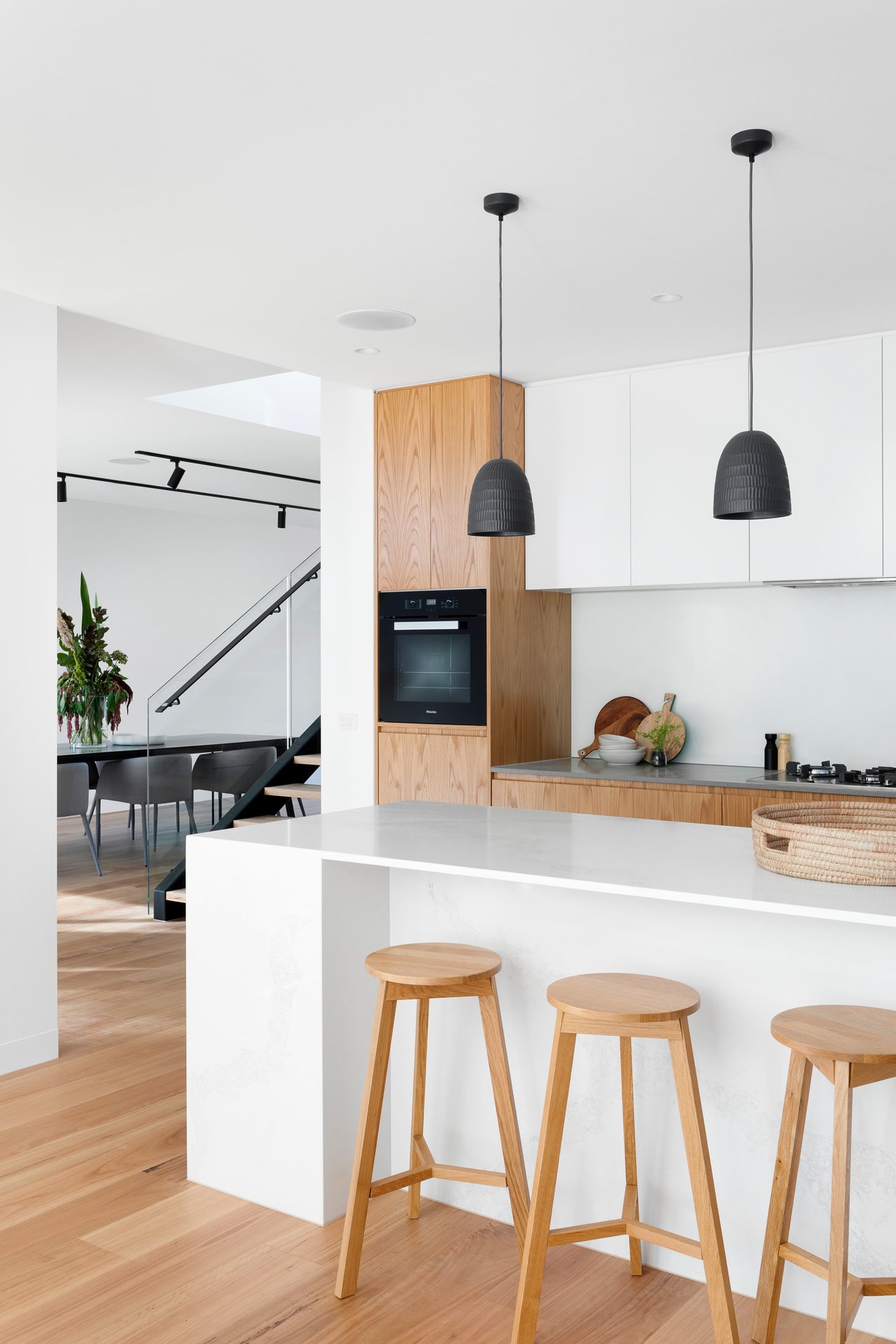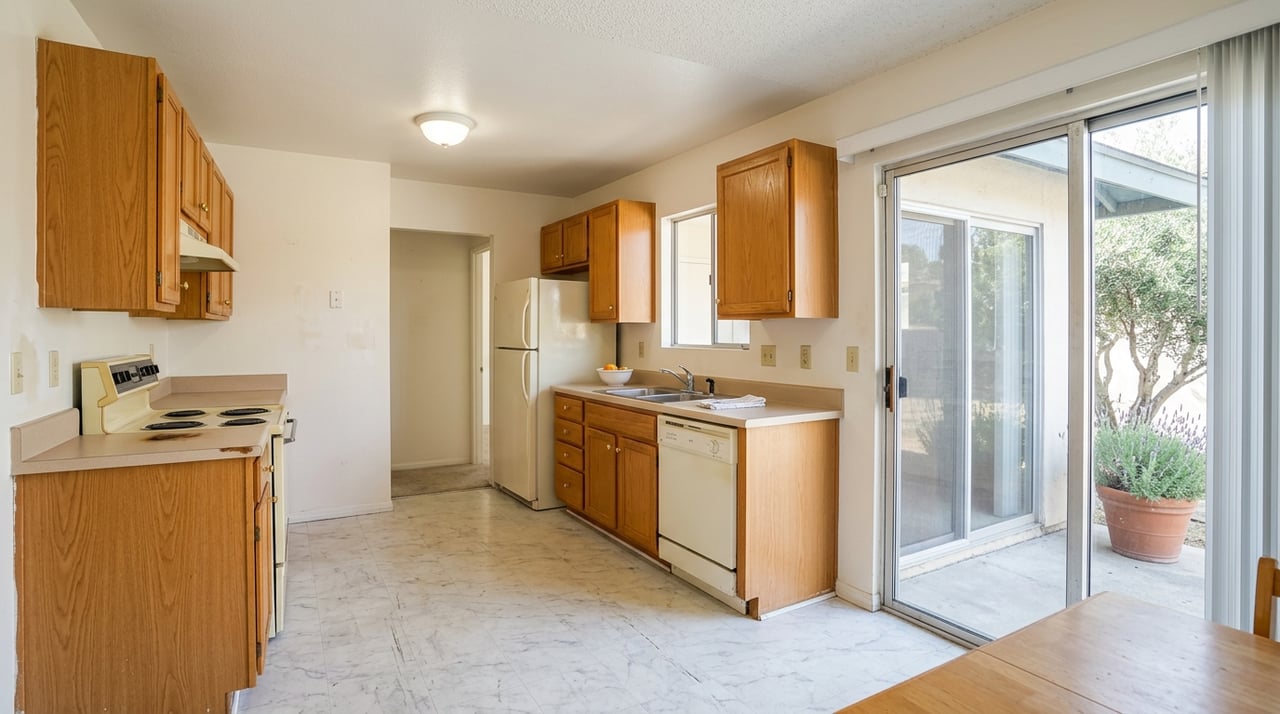
Wondering whether a fixer-upper in Healdsburg is a smart opportunity or an expensive surprise? You are not alone. In a market with older homes, limited supply, and plenty of buyer interest, the right renovation can improve how a home lives today and how it performs at resale tomorrow. The key is knowing where the upside is, where the risks are, and what local rules can shape your budget. Let’s dive in.
Why fixer-uppers matter in Healdsburg
Healdsburg has the kind of housing stock that naturally creates fixer-upper opportunities. According to the city’s housing data, Healdsburg had 5,481 housing units in the 2020 ACS, and about 74% were detached single-family homes. Older city housing data also found that 59% of homes were built before 1980 and 32.3% were built before 1960.
That matters because age often drives renovation needs. The city notes that homes more than 30 years old often need minor repairs and modernization, while homes over 50 years old are more likely to need major rehabilitation such as roofing, plumbing, and electrical work. In practical terms, many Healdsburg homes offer character and location, but may also come with real project scope.
This is also a market where existing homes carry weight. The city reports that more than 80% of zoned land is R-1 one-family residential, which helps explain why resale inventory can feel constrained. In March 2026, Redfin reported a median sale price of $899,000, with 16 homes sold and 44 days on market, while a spring 2026 snapshot put the median list price at $1,142,500 and described the market as somewhat competitive.
For you as a buyer, that combination is important. Older inventory creates renovation potential, and limited supply can make well-updated homes stand out. A fixer-upper can make sense here, but only if you buy with a clear plan.
What renovation scope often looks like
Not every fixer-upper needs the same level of work. In Healdsburg, the first question is often whether you are looking at a home that mainly needs cosmetic updates or one that may need major systems work. With so many older homes in the area, it is smart to assume that age-related repairs may be part of the conversation until inspections and contractor input say otherwise.
The biggest budget items usually come first. In older homes, roofs, plumbing, and electrical systems are often the most important categories to evaluate because they can quickly change the economics of the project. If a home is more than 50 years old, those line items deserve close attention before you get too excited about finishes and paint colors.
Then there is the question of what kind of improvement actually adds value. In Healdsburg, the best projects are not always the flashiest. Often, the strongest return comes from making an older home more functional, more comfortable, and more visually polished while respecting its existing character.
Historic status can change the plan
Some Healdsburg fixer-uppers come with an added layer that buyers should understand early: historic context. The city completed a historic resources survey of 339 properties and 6 districts and later used that work to designate the Johnson and Matheson Street historic districts. The city also states that a Historic District overlay can be applied to areas or individual properties of historic significance.
For you, that means an older home may be more than just old. It may sit in an area where preservation is part of the property’s identity and future review process. That does not automatically mean you cannot renovate, but it can affect what kinds of changes are straightforward and what may require additional planning.
The city’s historic preservation resources also reference guidance for smaller Victorian-era wood-framed houses from the late 1800s and early 1900s. That suggests some properties may reward thoughtful restoration, not just quick cosmetic updating. If you are buying for resale potential, preserving visible character while improving function can be a smarter strategy than stripping out what makes the home distinct.
Where to focus your renovation budget
If you want the clearest path to resale value, start with the work that improves livability and visible quality.
Price major systems first
Before you build a dream renovation plan, get realistic about the home’s condition. Roofing, plumbing, and electrical work are often the repairs most likely to reshape your total budget. These updates are not always exciting, but they are often the foundation of a successful project.
Improve usable living spaces
Once the essentials are covered, think about how the home functions day to day. Space efficiency matters in older homes, especially if the layout feels dated. A better use of square footage can help a home feel more current without requiring a massive addition.
Respect exterior character
If the property is in a historic area or subject to preservation-related review, exterior choices matter. Façades, trim, and other visible details may be part of what supports the home’s identity and resale appeal. That makes it important to understand the review path before finalizing exterior plans.
What seems to resonate with Healdsburg buyers
Resale is never about one feature alone, but local trend data does offer useful clues. Redfin’s spring 2026 Healdsburg home trends showed the strongest sale-to-list ratios, at 101.1%, among homes described with features such as a breakfast area, covered deck, landscape, shower stall, primary bathroom, soaker tub, primary bedroom, washer, ranch style, and driveway.
That pattern points to something helpful for fixer-upper buyers. Healdsburg buyers appear to respond to practical comfort, usable outdoor living, and polished everyday spaces, not just luxury finishes. In other words, a home that feels easy to live in may perform better than one that spends heavily in only one or two showpiece rooms.
If you are trying to prioritize projects, focus on updates that support daily life:
- refreshed outdoor living areas
- improved landscaping and curb appeal
- comfortable primary-suite features
- practical storage and laundry function
- layouts that feel efficient and easy to use
In a market where condition and presentation matter, these choices can help a renovated home compete more effectively.
Permits and review in Healdsburg
A good fixer-upper plan is not just about design and budget. It is also about process. Healdsburg’s Building Division accepts permit applications, reviews plans, and inspects building-related work within city limits.
Some simpler jobs can often be issued over the counter without plan review. The city lists reroofing, water-heater replacement, HVAC replacement, window replacement, siding replacement, and residential electrical service replacement among those examples. Even so, it is worth confirming your exact scope with the city before you assume your project is simple.
For more substantial renovations, the path can get more layered. The city says a separate Design Review application is required for certain project types before building permit submittal, and planning staff can help determine whether demolition, significant changes, or additions require a Historic Resource Evaluation.
Healdsburg also uses the current California Construction Codes under Title 24 and updates its codes on the state’s three-year cycle. On top of that, the city’s CALGreen rules note that mandatory residential measures can apply not only to new construction, but also to additions and alterations that increase conditioned area, volume, or size, or to buildings the Building Official determines are substantially remodeled.
That means your renovation budget should leave room for more than finishes and labor. Depending on the project, compliance requirements can be part of the total cost.
Site conditions can affect your costs
Some costs are easy to miss early in the search. One example in Healdsburg is slope stability. The city notes that projects in Zone 2 or 3 on the General Plan Slope Stability Map require a geotechnical report.
If you are considering a property with a complex site, hillside conditions, or a more ambitious addition plan, that is worth checking early. A requirement like this does not mean the deal is bad. It simply means your due diligence should include site-specific review before you lock in renovation numbers.
ADUs as a value-add strategy
For some buyers, the renovation opportunity is not limited to the main house. An ADU or JADU may be part of the long-term plan if you want added flexibility for living space or future use.
Healdsburg defines an ADU as up to 1,200 square feet and a JADU as up to 500 square feet, and both require a building permit. The city also notes that school impact fees may apply to additions or new construction over 500 square feet, while development impact fees apply to new ADUs over 850 square feet.
The city offers pre-reviewed ADU plans designed to reduce plan-check time and construction costs. If an ADU is part of your strategy, it is smart to ask about feasibility, fees, and permit timing as early as possible. On the right property, this can be an important part of the overall value story.
A smart due diligence checklist
If you are evaluating a Healdsburg fixer-upper, keep your process grounded in local facts and realistic numbers.
Check historic and design review status
Confirm whether the property sits in a historic district, historic overlay, or design review area. This can affect both your renovation timeline and what changes may need additional review.
Get clear on systems condition
Price the major systems first. If roofing, plumbing, or electrical work is needed, those repairs should shape your renovation math before you budget for cosmetic upgrades.
Review permit triggers early
Ask whether your scope could trigger design review, CALGreen requirements, or other city review steps. This is especially important for additions, substantial remodels, demolition, or exterior changes.
Check slope stability issues
If the parcel may be in Zone 2 or 3 on the city’s slope stability map, find out whether a geotechnical report will be required. That step can affect timing and cost.
Explore ADU potential upfront
If extra space is part of your plan, ask about ADU or JADU feasibility at the beginning. Size limits, fee thresholds, and permit requirements can all influence whether the idea makes sense.
Use recent comps carefully
Healdsburg is a smaller market, and short-term pricing snapshots can be noisy. When you estimate after-repair value, use very recent nearby sales and compare feature sets closely, especially the everyday features local buyers seem to value.
The bottom line on Healdsburg fixer-uppers
A fixer-upper in Healdsburg can be a meaningful opportunity, especially in a market with older housing stock, limited supply, and buyers who appear to value livability as much as style. The best projects usually start with a realistic look at systems, permits, and property-specific constraints, then move toward updates that improve function, comfort, and curb appeal.
If you want to buy with confidence, it helps to have a local guide who understands both the numbers and the renovation realities. That is where practical, education-first advice can make a real difference from day one.
If you are thinking about buying, renovating, or eventually reselling a fixer-upper in Healdsburg, Apryl Lopez can help you evaluate the opportunity with local insight, clear guidance, and a steady plan.
FAQs
What makes a fixer-upper in Healdsburg different from other markets?
- Healdsburg has an older housing stock, with many homes built before 1980 and a significant share built before 1960, so renovation planning often starts with age-related repairs and local review requirements.
What should you inspect first in a Healdsburg fixer-upper?
- You should usually focus first on major systems such as the roof, plumbing, and electrical, because those items are the most likely to affect your budget and resale math.
What historic issues should you check for in a Healdsburg home?
- You should confirm whether the property is in a historic district, historic overlay, or another area where design review or a Historic Resource Evaluation may apply.
What permits might a Healdsburg renovation need?
- Depending on the scope, your project may need building permits, design review, and compliance with current California Title 24 codes and CALGreen requirements.
What resale features seem to appeal to Healdsburg buyers?
- Local trend data suggests buyers respond well to features like covered decks, landscaping, breakfast areas, driveway access, and comfortable primary-suite features.
What should you know about adding an ADU in Healdsburg?
- Healdsburg allows ADUs up to 1,200 square feet and JADUs up to 500 square feet, both require permits, and certain size thresholds may trigger impact fees.